Cart
0
Understanding Eczema and Its Impact on Skin
Eczema, or atopic dermatitis, is a chronic inflammatory skin condition affecting over 20% of children and up to 10% of adults across Europe. In Mediterranean countries like Spain, Italy, and Portugal, the prevalence ranges from 3-7% of the adult population, with higher rates in coastal regions. This condition manifests as red, itchy, and inflamed patches that can significantly impact quality of life and daily comfort.
The hallmark of eczema is a compromised skin barrier. Unlike healthy skin that effectively retains moisture and blocks irritants, eczema-prone skin has a dysfunctional barrier that allows water to escape and irritants to penetrate. This leads to a cycle of dryness, inflammation, and itching that can be challenging to break without proper care.
Common Types of Eczema
Atopic dermatitis is the most prevalent form, typically beginning in childhood and often associated with other atopic conditions like asthma or allergic rhinitis. Contact dermatitis occurs when skin reacts to specific substances, while dyshidrotic eczema affects the hands and feet with small, intensely itchy blisters.
Nummular eczema presents as circular lesions, seborrheic dermatitis targets the scalp and face, and stasis dermatitis develops on the lower legs due to poor circulation. Each type requires specific management approaches, but all benefit from intensive moisturizing.
How Eczema Damages the Skin Barrier
The outermost layer of our skin, the stratum corneum, functions as a protective barrier. In healthy skin, it contains adequate amounts of ceramides, fatty acids, and cholesterol that create a waterproof seal. According to the European Academy of Dermatology and Venereology, eczema causes deficiencies in these crucial lipids.
This lipid deficiency creates microscopic cracks in the barrier, allowing transepidermal water loss (TEWL) – the evaporation of water from inside the body through the skin. Research published in the Journal of Allergy and Clinical Immunology confirms that increased TEWL correlates directly with eczema severity. Additionally, these barrier defects permit environmental irritants and allergens to penetrate the skin, triggering inflammatory responses that further damage the barrier.
Why Moisturizing Is Critical for Eczema Management
Consistent moisturizing is the cornerstone of effective eczema management. When applied correctly, moisturizers create a temporary artificial barrier that compensates for the skin's natural barrier dysfunction. This protective layer serves multiple critical functions in managing eczema symptoms and preventing flare-ups.
Clinical studies show that regular moisturizer use can reduce eczema flare-ups by up to 50%. This simple intervention not only improves comfort but can also reduce the need for topical steroids and other medications. For those in Mediterranean climates, where seasonal humidity fluctuations can trigger symptom variations, consistent moisturizing becomes even more essential.
The Science of Skin Barrier Function
The skin barrier consists of corneocytes (dead skin cells) arranged like bricks, with lipids (ceramides, cholesterol, and fatty acids) acting as mortar between them. This structure, when intact, prevents excessive water loss and blocks environmental irritants from penetrating the skin.
In eczema, genetic and environmental factors cause deficiencies in these essential lipids. Research from the National Eczema Association indicates that people with eczema have approximately 30% fewer ceramides in their skin. This lipid deficiency creates microscopic gaps in the barrier, allowing moisture to escape (transepidermal water loss) and irritants to enter, triggering inflammation.
How Moisturizers Help Repair Damaged Skin
Effective moisturizers for eczema work through multiple mechanisms. First, they provide occlusion – forming a physical barrier on the skin's surface that traps moisture and prevents further water loss. Second, they deliver humectants that attract and bind water molecules to the skin. Third, high-quality formulations contain emollients that fill the spaces between skin cells, smoothing rough texture.
Most importantly, professional-grade moisturizers contain barrier-repairing ingredients that help normalize the skin's lipid composition. Ceramides, cholesterol, and fatty acids in the correct ratio (3:1:1) can actually penetrate the skin and help rebuild its natural barrier function. A study in the British Journal of Dermatology demonstrated that consistent use of ceramide-containing moisturizers improved barrier function by 35% after four weeks of regular application.
Key Ingredients to Look for in Eczema Moisturizers
The efficacy of an eczema moisturizer largely depends on its ingredient composition. Not all moisturizers are created equal, and for eczema management, specific ingredients have been clinically proven to provide superior relief. Professional-grade formulations typically contain precise concentrations of these key ingredients, ensuring maximum effectiveness.
When selecting a moisturizer for eczema, it's important to understand the function of each ingredient category. A complete formulation should include barrier-repairing components, hydrating agents, and soothing anti-inflammatory ingredients while avoiding common triggers that can exacerbate symptoms.
Barrier-Repairing Ingredients
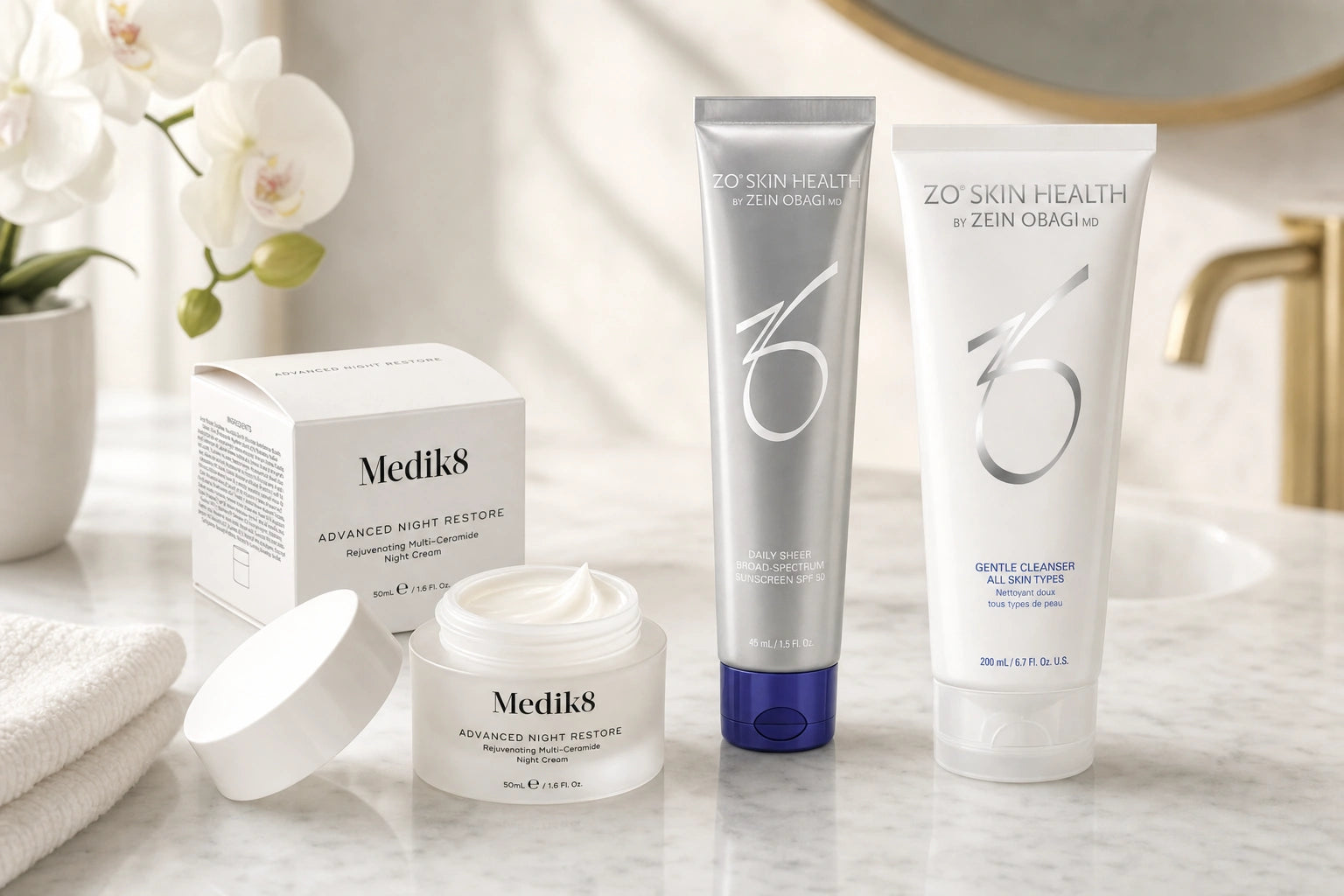
Ceramides are essential lipids that make up about 50% of the skin barrier. These waxy lipid molecules help seal the spaces between skin cells, preventing water loss and blocking irritants. Professional formulations like ZO Skin Health's Hydrating Crème contain pharmaceutical-grade ceramides that closely match those naturally found in skin.
Fatty acids, particularly linoleic acid and stearic acid, help strengthen the skin's natural moisture barrier. Cholesterol supports barrier integrity and enhances the effectiveness of other lipids. Niacinamide (vitamin B3) boosts ceramide production and reduces inflammation, making it particularly valuable for eczema management.
Soothing Anti-Inflammatory Components
Colloidal oatmeal is recognized by the FDA as an effective skin protectant with anti-inflammatory properties. It forms a protective barrier while relieving itching and irritation. Aloe vera contains compounds that reduce inflammation and accelerate healing of damaged skin.
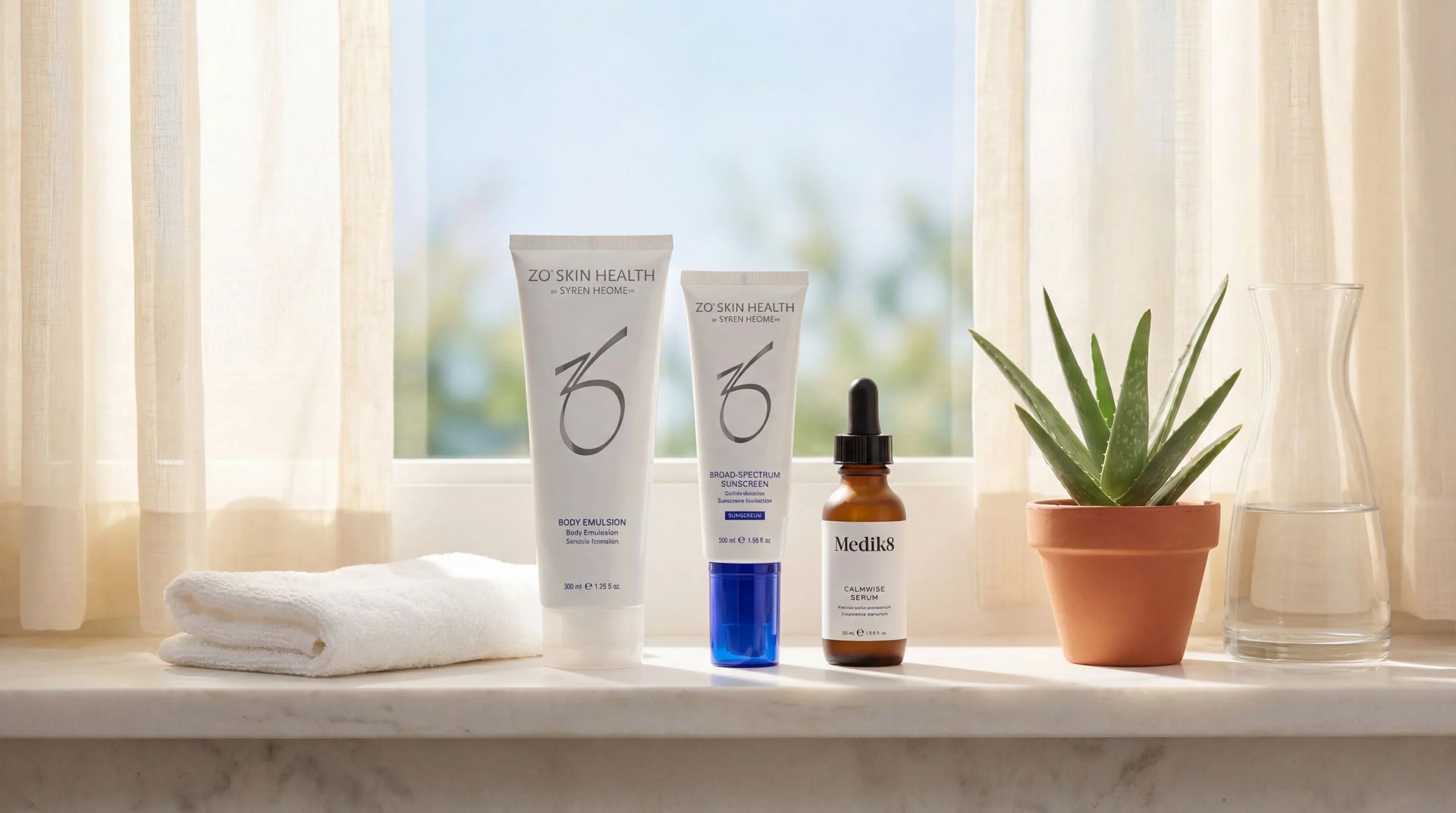
Panthenol (vitamin B5) penetrates deeply to hydrate while calming irritation. Medik8's Calmwise Serum includes teprenone, a patented ingredient that calms redness while strengthening the barrier function. Allantoin accelerates skin healing and has keratolytic properties that help remove dead skin cells without irritation.
Ingredients to Avoid
Fragrances are the leading cause of allergic contact dermatitis and can trigger eczema flares even in low concentrations. Alcohol-based ingredients can severely dry the skin and compromise barrier function. Harsh preservatives like methylisothiazolinone are common sensitizers for eczema sufferers.
Essential oils, despite their natural origins, can cause significant irritation in sensitive skin. Sodium lauryl sulfate, a common foaming agent, strips natural oils and damages the already compromised barrier. Professional formulations like ZO Skin Health's Soothing Hydro Mist are specifically formulated without these potential irritants, making them safer for reactive skin.
Complete Eczema Care Routine: Morning and Evening
Managing eczema requires a consistent skincare routine that focuses on preserving and repairing the skin barrier. The most effective approach divides care between morning and evening routines, each addressing specific needs of eczema-prone skin throughout the day.
Professional dermatologists recommend customizing your routine based on your specific eczema type and severity. However, the fundamental principles of gentle cleansing, intense hydration, and barrier repair remain consistent. Below is a comprehensive routine using professional-grade products designed specifically for eczema management.
Gentle Morning Routine for Eczema-Prone Skin
Step 1: Gentle Cleansing
Begin with a sulfate-free, pH-balanced cleanser that won't strip natural oils. Avoid hot water, which can trigger inflammation. Instead, use lukewarm water and cleanse with minimal rubbing. iS Clinical's Sheald Recovery Balm can also be used as a gentle cleansing balm for extremely sensitive skin.
Step 2: Hydration Boost
While skin is still slightly damp, apply a hydrating serum or mist. ZO Skin Health's Soothing Hydro Mist provides immediate relief and calms visible redness without alcohol or fragrance, making it ideal for reactive skin. Apply by gently pressing into the skin rather than rubbing.
Step 3: Intensive Moisture
Lock in hydration with a barrier-repairing moisturizer. ZO Skin Health's Hydrating Crème contains ceramides and emollients that replenish the skin barrier while calming visible irritation. For body eczema, apply ZO Skin Health's Body Emulsion immediately after bathing while skin is slightly damp.
Step 4: Sun Protection
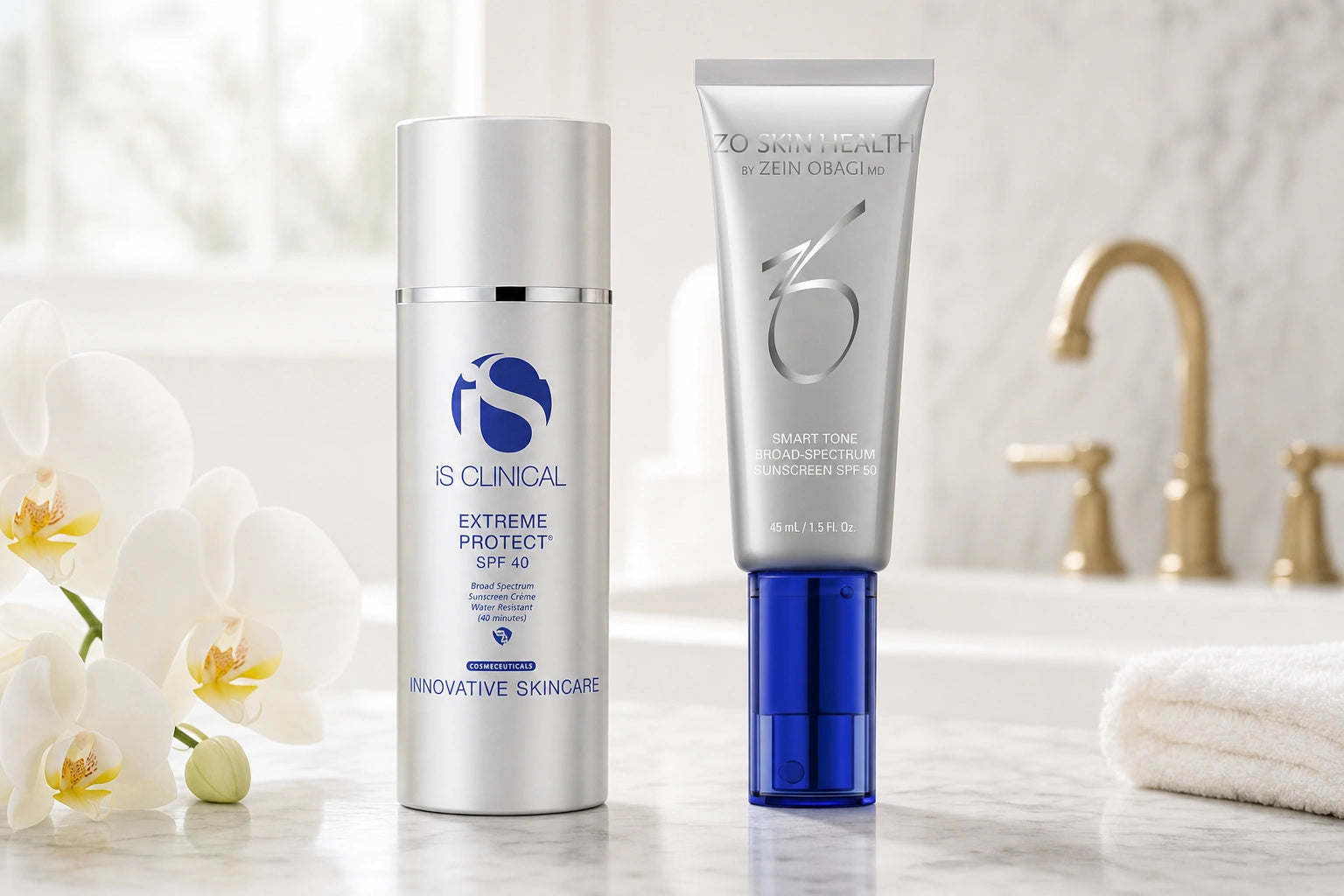
UV exposure can trigger or worsen eczema flares, especially in Mediterranean countries like Portugal, Spain, and southern France, where UV radiation levels are consistently high. Apply ZO Skin Health's Broad Spectrum Sunscreen SPF 50, specifically formulated for sensitive and post-procedure skin. The mineral formulation provides protection without irritation and contains no chemical filters that might trigger reactions. Learn more about the importance of broad-spectrum sun protection for sensitive skin.
Restorative Evening Protocol
Step 1: Gentle Cleansing
Remove the day's impurities with the same gentle approach as your morning routine. Avoid double cleansing or exfoliation, which can be too harsh for eczema-prone skin. If makeup removal is necessary, use a fragrance-free balm or oil cleanser first.
Step 2: Intensive Treatment
Evening is the ideal time for more intensive treatments. Apply Medik8's Calmwise Serum to visibly calm redness and strengthen the skin barrier. The teprenone in this formula has been clinically proven to improve barrier function by up to 40% in four weeks.
Step 3: Barrier Repair
Apply a thicker, more occlusive moisturizer than your daytime formula. iS Clinical's Sheald Recovery Balm is an excellent choice for overnight repair, as it dramatically replenishes hydration while soothing discomfort. For severely dry or cracked areas, apply a thicker layer as a treatment mask.
Step 4: Spot Treatment
For particularly troublesome areas or during flares, apply an extra layer of your most intensive moisturizer. Consider using hydrocolloid bandages over cracked skin to enhance healing and prevent scratching during sleep. Wearing cotton gloves after applying ZO Skin Health's Body Emulsion can prevent unconscious scratching and increase product penetration overnight.
Professional-Grade Moisturizers for Eczema Relief
Professional moisturizers offer significant advantages over mass-market alternatives for eczema management. These clinical-grade formulations contain higher concentrations of active ingredients, pharmaceutical-quality raw materials, and advanced delivery systems that enhance penetration and effectiveness. Research from European dermatology centers demonstrates that professional products can improve barrier function by up to 45% more effectively than over-the-counter alternatives.
When treating a chronic skin condition like eczema, the superior efficacy of professional products often justifies their cost. Many patients report needing smaller amounts of these concentrated formulations, leading to comparable long-term value despite higher initial investment. Below, we'll explore specific professional options for different needs and severity levels.
Lightweight Options for Daily Use
ZO Skin Health's Hydrating Crème provides excellent barrier support with a lightweight texture suitable for daily application. Its ceramide complex mimics the skin's natural barrier composition, while anti-inflammatory botanicals reduce visible irritation. The fragrance-free, non-comedogenic formula makes it suitable for facial eczema without triggering breakouts.
ZO Skin Health's Soothing Hydro Mist offers immediate relief for itching and inflammation in a convenient spray format. Perfect for on-the-go application or use throughout the day when skin feels tight or uncomfortable. The alcohol-free formula won't cause drying or stinging even on compromised skin.
For mild but persistent eczema, Medik8's Calmwise Serum works excellently under daily moisturizer. Its lightweight formula delivers teprenone (a patented anti-redness compound) deep into the skin, helping to strengthen the barrier while visibly reducing inflammation. Regular use helps prevent flares rather than just treating them after they occur.
Intensive Treatments for Severe Flare-Ups
During acute flares, iS Clinical's Sheald Recovery Balm provides intensive rescue care. This rich balm creates a protective barrier over compromised skin while delivering powerful anti-inflammatory botanicals. Clinical studies show it reduces recovery time from skin barrier damage by up to 50% compared to untreated skin. Its formulation makes it particularly effective for cracked, weeping, or extremely dry eczema patches.
For body-wide flares, ZO Skin Health's Body Emulsion delivers multi-level hydration through a sophisticated emulsion system. Unlike typical body moisturizers, it contains shea butter and sodium PCA in a formula specifically designed to restore barrier function on thicker body skin. Regular application helps prevent the characteristic rough, bumpy texture associated with chronic body eczema.
When eczema affects sun-exposed areas, ZO Skin Health's Broad Spectrum Sunscreen SPF 50 provides barrier-supporting protection without irritation. Its mineral filters sit on the skin's surface rather than absorbing, making it ideal for reactive skin. The addition of anti-inflammatory agents helps minimize UV-triggered flares common in Mediterranean climates.
Lifestyle Factors That Impact Eczema Management
While effective moisturizing forms the foundation of eczema care, lifestyle factors significantly influence symptom management. Addressing these environmental and behavioral elements can enhance the effectiveness of topical treatments and reduce the frequency and severity of flares. A holistic approach combines proper skincare with lifestyle modifications tailored to your specific triggers.
Understanding how different factors affect your skin allows for more proactive management. Many patients report that environmental adjustments can be as impactful as topical treatments in controlling symptoms. Below, we explore key considerations for those living in Mediterranean climates and the relationship between nutrition and skin barrier function.
Environmental Considerations in Mediterranean Climates
The Mediterranean climate presents unique challenges for eczema management. The combination of high UV exposure, seasonal humidity fluctuations, and hot summers can trigger flares if not properly managed. In coastal areas of Portugal, Spain, Italy, and France, salt exposure from sea air may either improve symptoms (due to antimicrobial properties) or exacerbate them in some individuals.
Indoor climate control is crucial, as air conditioning can significantly reduce humidity levels, accelerating moisture loss from already compromised skin. Using a humidifier, especially during summer when AC use increases, helps maintain optimal indoor humidity between 45-55%. For those in mountainous regions of Spain or Italy, where temperatures vary dramatically between day and night, layering clothing rather than relying on intense heating can prevent the drying effects of artificial heat.
Water quality varies widely across Mediterranean countries, with some regions having very hard water high in minerals that can irritate eczema-prone skin. Installing shower filters can reduce exposure to chlorine and minerals. Additionally, if swimming in chlorinated pools or the Mediterranean Sea, immediate rinsing followed by application of iS Clinical's Sheald Recovery Balm can prevent post-swimming flares.
Dietary Connections to Skin Health
The Mediterranean diet, rich in olive oil, omega-3 fatty acids, and antioxidants, naturally supports skin barrier health. Studies published in the Journal of Dermatological Science show that consuming adequate omega-3 fatty acids can reduce inflammatory markers in eczema patients. Regular consumption of fatty fish, walnuts, and flaxseeds may complement topical treatments by reducing systemic inflammation.
For some individuals, food sensitivities can trigger eczema flares. Common triggers include dairy, eggs, gluten, soy, and certain nuts. Working with a healthcare provider to identify personal food triggers through elimination diets can be more effective than generalized avoidance. Additionally, maintaining adequate vitamin D levels is crucial for skin barrier function, especially in indoor workers despite living in sunny Mediterranean countries.
Frequently Asked Questions About Eczema Moisturizers
What is the best moisturizer to use for eczema?
The best moisturizers for eczema contain barrier-repairing ingredients like ceramides, hyaluronic acid, and soothing components such as colloidal oatmeal or shea butter. Professional products like ZO Skin Health's Hydrating Crème and iS Clinical's Sheald Recovery Balm provide superior relief by combining pharmaceutical-grade ingredients with advanced delivery systems that penetrate deeply to restore the compromised skin barrier.
How does the Mediterranean climate affect eczema management?
The Mediterranean climate presents unique challenges for eczema sufferers, with high UV exposure and seasonal humidity shifts. During dry summer months in countries like Portugal and Spain, increased moisture loss can trigger flare-ups, requiring more intensive moisturizing. Conversely, higher humidity in coastal regions can sometimes improve symptoms. Year-round sun protection is essential as UV damage can worsen eczema in sensitive Mediterranean skin.
How often should I apply moisturizer for eczema?
For effective eczema management, apply moisturizer at least twice daily—morning and evening—and additionally after bathing or washing hands when the skin is still slightly damp to lock in moisture. During flare-ups or in dry Mediterranean climates like inland Spain or Italy, increase application frequency to 3-4 times daily. Professional-grade moisturizers generally require less frequent application due to their superior formulation and longer-lasting hydration.
Can I use the same moisturizer for face and body eczema?
While some moisturizers work for both face and body eczema, the facial skin generally requires more specialized care due to its thinner, more sensitive nature. Face-specific formulations like Medik8's Calmwise Serum are lightweight and non-comedogenic while still providing intensive relief. For body eczema, richer products like ZO Skin Health's Hydrating Crème or Body Emulsion deliver the deeper hydration needed for thicker skin areas affected by eczema.
When should I consider prescription treatments versus over-the-counter moisturizers?
Consider prescription treatments when professional-grade moisturizers don't adequately control symptoms, when eczema interferes with sleep or daily activities, or when there are signs of infection (increased redness, warmth, swelling, or yellow crust). Professional products like those from ZO Skin Health and iS Clinical often provide an effective intermediate step between pharmacy moisturizers and prescription medications, potentially reducing the need for steroids.
How can I identify my personal eczema triggers?
Keep a detailed skin journal tracking flare-ups alongside potential triggers like skincare products, detergents, foods, stress levels, and environmental factors. Note when symptoms improve or worsen. Consider patch testing with a dermatologist to identify specific allergens. For skincare products, test new items on a small area for 5-7 days before full application. Professional skincare consultations can help identify triggers in your current routine and suggest appropriate alternatives.