Cart
0
Shifting seasons can leave your skin feeling stressed, dull, or vulnerable to damage. As temperatures and humidity levels fluctuate, your skin’s needs rapidly change—requiring you to rethink your skincare routine to maintain a healthy glow. Navigating seasonal skin transitions isn’t just about swapping moisturizers; it’s understanding how environmental shifts affect your skin barrier and what you can do to protect it. According to the American Academy of Dermatology, weather changes can disrupt the skin’s moisture balance, leading to dryness, irritation, or increased sensitivity. In this guide, you’ll learn how to protect your skin from weather changes, optimize your skin barrier during seasons, and build a transition skincare routine that adapts with the climate—including the role of SPF for seasonal changes. Read on for actionable advice and product solutions to keep your complexion strong and radiant all year long.
How to Protect Skin from Weather Changes: The Science Behind Seasonal Skin Transitions
The skin is the body’s primary barrier against environmental stressors, and its ability to adapt is tested during seasonal changes. Each shift in weather—whether from humid summer to dry winter or vice versa—triggers unique physiological responses. Lower humidity in winter, for example, leads to transepidermal water loss, which strips the skin of essential hydration and weakens its protective lipid layer. Conversely, hot and humid conditions can increase sebum production, clog pores, and exacerbate breakouts.
At the heart of effective seasonal skin transitions lies the skin barrier: a complex structure of lipids and proteins that controls moisture retention and blocks irritants. According to dermatological research, a compromised barrier is more susceptible to inflammation, sensitivity, and premature aging. This is why it’s critical to tailor your transition skincare routine, adjusting cleansers, moisturizers, and protective agents as the climate shifts.
Sun exposure is a year-round concern, with UV rays penetrating clouds and glass regardless of season. This makes SPF for seasonal changes essential, even in winter or on overcast days. Additionally, external aggressors like wind, pollution, and indoor heating or cooling systems can further challenge the skin’s resilience. Adapting your approach—by supporting barrier repair, introducing antioxidants, and maintaining diligent sun protection—can help you protect skin from weather changes and maintain optimal health throughout every season.
Solutions for Seasonal Skin Transitions
Sunforgettable® Total Protection® Sheer Matte SPF 30 Sunscreen Brush
Oily shine and enlarged pores often become problematic during warmer months or transitional periods. Sunforgettable® Total Protection® Sheer Matte SPF 30 Sunscreen Brush effectively addresses these concerns by delivering broad-spectrum mineral SPF in a weightless, sheer powder. Its Enviroscreen® Technology offers comprehensive protection against UVA/UVB, pollution, and blue light, while absorbing excess oil to leave skin feeling clean. Expect visible reduction in shine and improved skin texture within 1-2 weeks of consistent use.
Skin Brightening Sheet Masque
Post-winter dullness and uneven tone can linger as you transition into spring or summer. The Skin Brightening Sheet Masque targets pigmentation and dehydration, thanks to a blend of green tea extracts and hydrating agents. This masque works to reduce discolouration, support barrier repair, and infuse skin with lasting moisture. With regular weekly application, you can expect brighter, more even-toned skin within 2-4 weeks.
Sunforgettable® Total Protection® Face Shield Glow SPF 50
Sun-induced dehydration and lacklustre complexion are common during seasonal transitions, especially with increased outdoor activities. Sunforgettable® Total Protection® Face Shield Glow SPF 50 delivers high-level mineral sun protection while enhancing radiance with a pearlescent finish. Powered by EnviroScreen® Technology and antioxidants, it defends against environmental stress and leaves a luminous, healthy glow. Results typically appear within 2-3 weeks of daily use.
Natural Finish Mineral Foundation SPF 20
Uneven skin tone and sensitivity can peak during seasonal skin transitions, especially if your skin barrier is compromised. Natural Finish Mineral Foundation SPF 20 combines lightweight coverage with mineral SPF, hydrating ingredients, and a breathable formula. This foundation helps even out complexion, shields against UV damage, and keeps skin comfortable as you adapt to new weather conditions. You’ll notice smoother, more radiant skin in 2-4 weeks of daily wear.
Winter Recovery Box
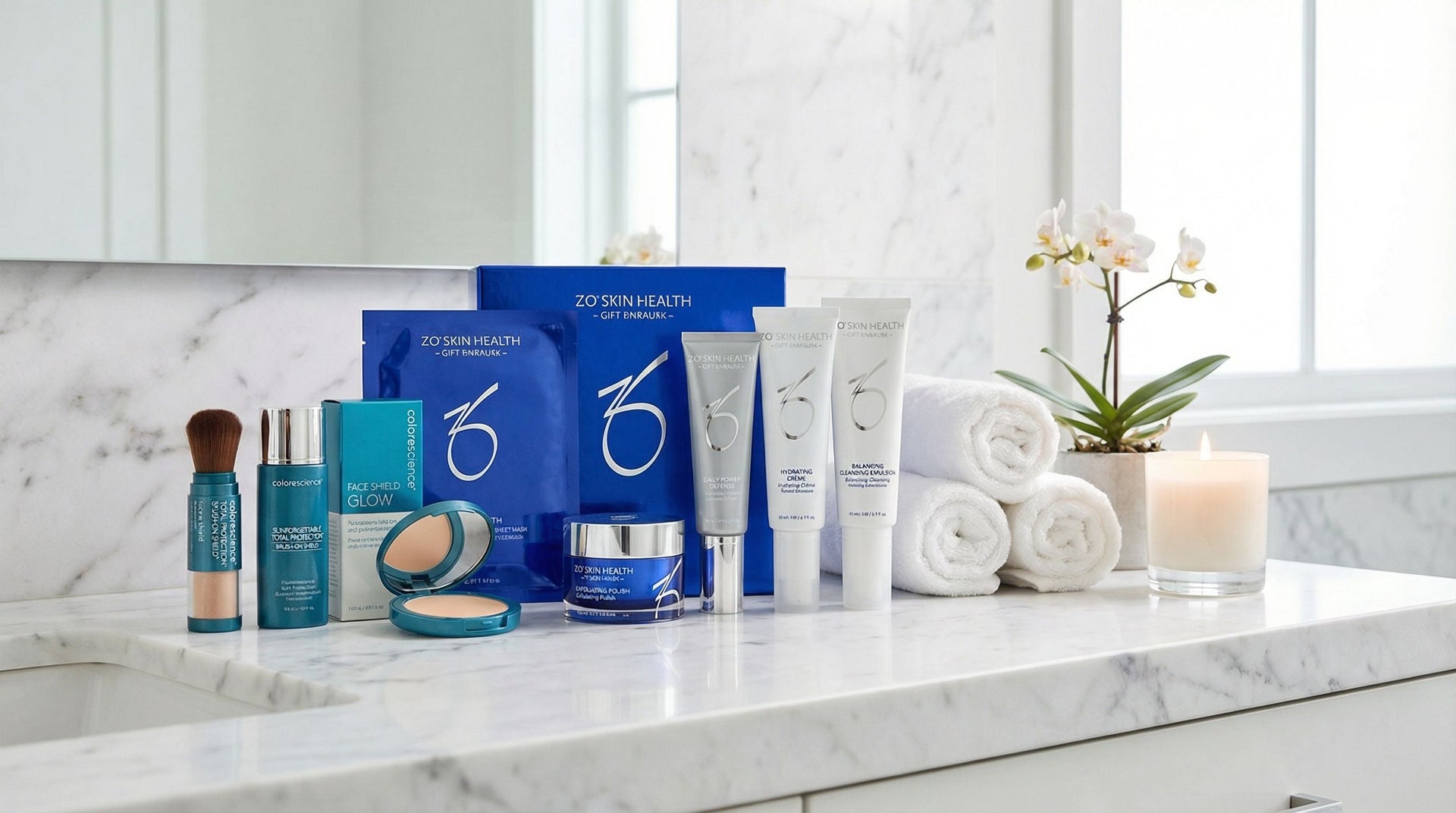
Dryness, irritation, and barrier disruption are classic issues during colder months. The Winter Recovery Box offers a curated regimen: Balancing Cleansing Emulsion, Exfoliating Polish, Calming Toner, Hydration Creme, Daily Power Defense, and Growth Factor Serum. Each product is designed to gently cleanse, exfoliate, replenish moisture, and support skin renewal, helping restore a resilient barrier. With consistent use, improvements in hydration and comfort usually appear within 4-6 weeks.
Practical Tips for Transition Skincare Routine Success
Adapting your skincare routine for seasonal skin transitions is about more than product swaps—it’s a holistic approach. Start by evaluating your cleanser: opt for a gentle, non-stripping formula in winter, and consider a foaming or gel cleanser in humid months to combat excess oil. Layer lightweight serums or hyaluronic acid for hydration during dry periods, and incorporate antioxidants like vitamin C to help defend against environmental aggressors year-round.
Exfoliation should be adjusted based on sensitivity and climate; reduce frequency in colder months to avoid over-stripping, and use mild exfoliants. Always reinforce your skin barrier with ceramide-rich moisturizers or creams containing essential fatty acids. Most importantly, never skip SPF for seasonal changes—even on cloudy days—since UV exposure contributes to aging and pigmentation regardless of temperature. Lastly, stay hydrated, use a humidifier indoors during winter, and listen to your skin’s feedback as you tweak your routine. These practices, alongside targeted products, help protect skin from weather changes and keep it balanced all year long.
Frequently Asked Questions
How can I protect my skin barrier during seasons of change?
To safeguard your skin barrier during seasonal transitions, use gentle cleansers, barrier-repairing moisturizers, and apply SPF daily. Avoid harsh ingredients and increase hydration, especially in drier months, to keep your skin resilient.
What is the best transition skincare routine for spring and fall?
Gradually swap heavy creams for lighter moisturizers in spring, and introduce richer textures as you enter fall. Focus on hydration, gentle exfoliation, and SPF for seasonal changes to support your skin’s adjustment to new weather conditions.
Is SPF necessary during seasonal skin transitions, even in winter?
Yes, SPF is crucial year-round. UV rays can penetrate clouds and windows, causing cumulative skin damage regardless of temperature. Choose a broad-spectrum sunscreen like those in the Sunforgettable® line for effective defense.
How long does it take for my skin to adjust during weather changes?
Most people notice improvement within 2-6 weeks of adopting a tailored skincare regimen. Consistency with hydration, barrier repair, and sun protection is key to healthy skin during seasonal transitions.
Conclusion
Seasonal skin transitions present unique challenges, but with a science-based approach and the right products, you can maintain a resilient, glowing complexion year-round. By protecting your skin barrier, adapting your routine, and prioritizing SPF for seasonal changes, you’ll help your skin thrive in any climate. Explore our curated selection of transition solutions in the Seasonal collection to support your best skin through every season.