Cart
0
Struggling with dark spots or patchy skin tone that just won’t fade, no matter what you try? If you’re seeing persistent areas of discoloration despite your best efforts, sun exposure could be silently worsening the problem. Using the right sunscreen for uneven skin tone is a critical—but often overlooked—step toward achieving a more even, radiant complexion. According to Mayo Clinic, UV rays are a leading trigger for hyperpigmentation and dark spots, making daily sun protection essential for anyone concerned about discoloration. In this guide, you’ll discover why SPF matters for uneven skin, the science behind sun-induced pigmentation, expert-recommended sunscreen solutions, and practical strategies to support brighter, clearer skin.
SPF for Hyperpigmentation: Why Sun Protection Matters for Dark Spots and Uneven Skin Tone
Hyperpigmentation is a common skin concern characterized by patches of darker skin, often appearing as sunspots, melasma, or post-inflammatory marks. These areas are caused by excess melanin production, typically triggered or worsened by exposure to ultraviolet (UV) radiation. When UV rays penetrate the skin, they stimulate melanocytes to produce more melanin as a natural defense mechanism. Unfortunately, this process can lead to visible discoloration or uneven skin tone, particularly in individuals with a history of acne, hormonal fluctuations, or previous sunburns.
Scientific studies have demonstrated that consistent sun protection is fundamental in managing and preventing hyperpigmentation. According to research published on PubMed, broad-spectrum SPF significantly reduces new pigment formation and helps existing dark spots fade more quickly. Without adequate SPF, even the most effective brightening treatments may deliver disappointing results, as ongoing sun exposure perpetuates the cycle of discoloration.
Choosing the best sunscreen for discoloration involves more than just picking a high SPF number. For optimal results, look for sunscreens offering broad-spectrum protection against both UVA (aging) and UVB (burning) rays, as well as those containing antioxidants or pigment-correcting ingredients. Some advanced formulas also include light-reflecting pigments or skin tone-evening actives, offering immediate cosmetic benefits while helping to prevent further darkening. By making sun protection a non-negotiable part of your daily routine, you can support a more even, luminous complexion over time.
Targeted Solutions: Sunscreens for Uneven Skin Tone and Hyperpigmentation
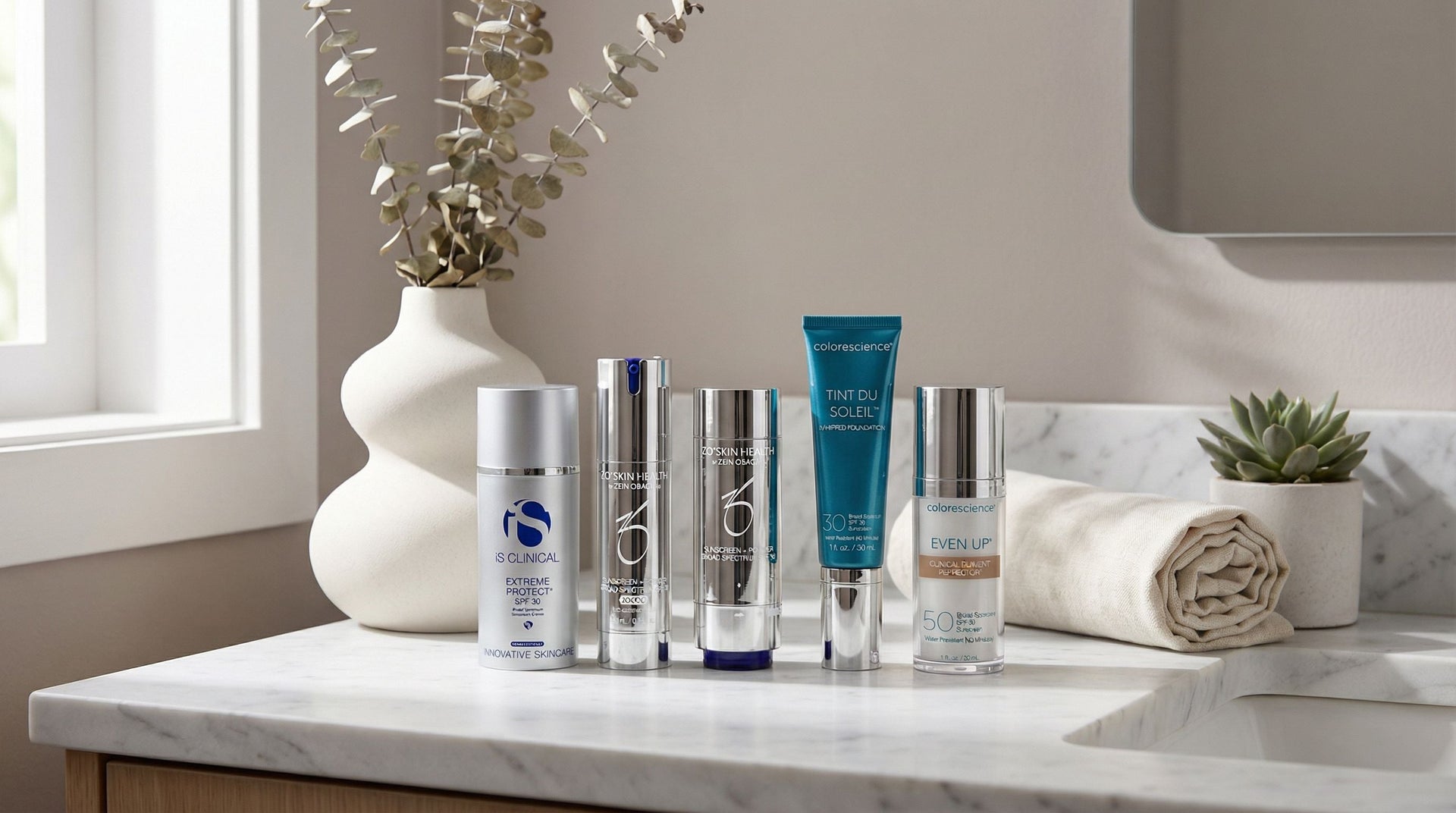
Extreme Protect SPF 30: Advanced Defense for Discoloration
Persistent uneven skin tone and hyperpigmentation often stem from ongoing oxidative damage caused by daily sun exposure. Extreme Protect SPF 30 effectively addresses this challenge by combining broad-spectrum UVA/UVB protection with potent antioxidants. Its key ingredient, microfine Zinc Oxide, forms a physical barrier against harmful rays while antioxidants help neutralize free radicals that can worsen discoloration. With regular use, users can expect a visible improvement in skin clarity and reduced dark spot intensity within 4-6 weeks.
Sunscreen + Primer Broad-Spectrum SPF 30 (Travel Size): Multi-Tasking Sun Protection for Dark Spots
Sun-triggered dark spots can be exacerbated by both UV and visible light exposure, especially for those who wear makeup daily. The Sunscreen + Primer Broad-Spectrum SPF 30 offers comprehensive sun protection for dark spots using the innovative ZOX12® complex, safeguarding against UVA, UVB, IR-A, and HEV light. Additionally, it hydrates and prepares the skin for makeup, creating a smooth, matte finish. This dual-action formula helps prevent new discoloration while supporting a more even skin tone with consistent use over several weeks.
Sunscreen + Powder Broad-Spectrum SPF 30: On-the-Go Brightening Sunscreen
Continuous sun protection is key for anyone seeking to minimize existing hyperpigmentation and prevent new spots. Sunscreen + Powder Broad-Spectrum SPF 30 delivers Triple-Spectrum Protection® and ZO® antioxidant technology in a convenient powder format. Tinted pigments provide immediate tone-evening coverage, while antioxidants defend against environmental stressors. With daily use, this brightening sunscreen supports a gradual improvement in discoloration and offers a touch-up solution throughout the day.
Tint du Soleil™ Whipped Mineral Foundation SPF 30: Foundation with Sun Protection for Uneven Skin Tone
If your goal is to conceal and treat uneven skin tone simultaneously, Tint du Soleil™ Whipped Mineral Foundation SPF 30 bridges the gap between skincare and makeup. This formula provides light, natural coverage while nourishing and supporting the skin barrier with essential minerals. Its mineral-based SPF protects against further UV-induced pigmentation, making it ideal for daily use. Expect a smoother, more uniform complexion both instantly and with continued application over 4-6 weeks.
Even Up® Clinical Pigment Perfector® SPF 50: High-Protection Solution for Stubborn Discoloration
For those dealing with pronounced hyperpigmentation, Even Up® Clinical Pigment Perfector® SPF 50 is clinically tested to brighten, correct, and protect. Its lightly tinted formula contains patented ingredients targeting visible discoloration, while SPF 50 shields against UV-induced melanin production. This high-level sun protection, combined with pigment-correcting technology, helps diminish the look of dark spots and uneven tone, with results typically appearing within 4-8 weeks.
Expert Tips for Managing Uneven Skin Tone and Hyperpigmentation
Achieving a more even complexion requires a consistent, holistic approach beyond sunscreen alone. Always apply a generous layer of your chosen sunscreen for uneven skin tone every morning, covering all exposed areas—including ears and neck—for full protection. Reapply every two hours, especially after sweating or swimming, to maintain effectiveness. Incorporating antioxidants such as vitamin C into your morning routine can further defend against free radical damage and support brighter skin. Avoid aggressive exfoliation, which can irritate and exacerbate discoloration, opting instead for gentle chemical exfoliants like lactic acid or mandelic acid a few times a week.
Consider wearing wide-brimmed hats and seeking shade during peak sun hours (10 a.m. to 4 p.m.) to minimize direct UV exposure. Remember that visible light, including that from screens and indoor lighting, can also influence pigmentation, so daily SPF is necessary even on cloudy days or when indoors. If you use prescription treatments or brightening serums, always layer sunscreen on top to lock in protection and maximize results. With patience and a comprehensive routine, you can gradually restore a clearer, more luminous skin tone.
Frequently Asked Questions
What is the best sunscreen for discoloration and uneven skin tone?
The best sunscreen for discoloration is a broad-spectrum formula with SPF 30 or higher, containing physical blockers like zinc oxide and ingredients that support skin barrier health. Products with added antioxidants or pigment-correcting technology can further enhance results for those with uneven skin tone.
How does SPF help with hyperpigmentation and dark spots?
SPF for hyperpigmentation is essential because it prevents UV-induced melanin production, which can worsen existing dark spots and trigger new ones. Consistent sun protection gives the skin a chance to heal and allows brightening treatments to work more effectively.
Can a brightening sunscreen fade existing dark spots?
Brightening sunscreens can help fade existing dark spots by shielding skin from further UV-triggered pigmentation and often include ingredients that support a more even tone. While they are not a standalone cure, they play a crucial role in a comprehensive regimen for discoloration.
How often should I reapply sunscreen for uneven skin tone?
To ensure ongoing sun protection for dark spots and uneven skin tone, reapply sunscreen every two hours, or more frequently if swimming or sweating. This maintains the efficacy of your SPF and protects against both visible and long-term pigmentation.
Conclusion
Addressing uneven skin tone and hyperpigmentation begins with diligent sun protection and choosing the right sunscreen for your needs. Targeted SPF products not only shield your skin from harmful UV rays but also support a clearer, more even complexion over time. Explore our expertly curated range of solutions in the Sunscreen collection and take the next step toward brighter, healthier-looking skin.
---