Cart
0
You've seen the fine lines starting to settle in — around your eyes, across your forehead, maybe between your brows where you furrow when you're concentrating. You're not imagining it. By your late twenties, collagen production slows by about 1% annually, and that's when texture starts to shift.
An anti-wrinkle serum won't erase decades overnight, but the right formula — layered correctly, used consistently — can visibly smooth texture, support firmness, and slow the visible progression. The difference between a serum that delivers and one that sits on your shelf unused often comes down to understanding what you're actually applying and why.
Here's what works, what doesn't, and how to build a routine around one or two targeted actives.
What Makes a Serum "Anti-Wrinkle"
A serum isn't just a thin moisturizer. The format matters — lightweight, fast-absorbing, designed to deliver higher concentrations of actives in smaller molecular structures that penetrate more efficiently than cream-based products. Water-based serums absorb quickly; oil-based formulas work well for drier skin types. Both deliver targeted ingredients where traditional moisturizers can't reach.
The best serum for wrinkles works through three mechanisms: collagen support, antioxidant defense, and cellular turnover. Peptides signal skin cells to support collagen production pathways. Antioxidants like vitamin C neutralize free radicals that contribute to visible aging. Retinoids encourage skin renewal cycles, promoting smoother texture over time.
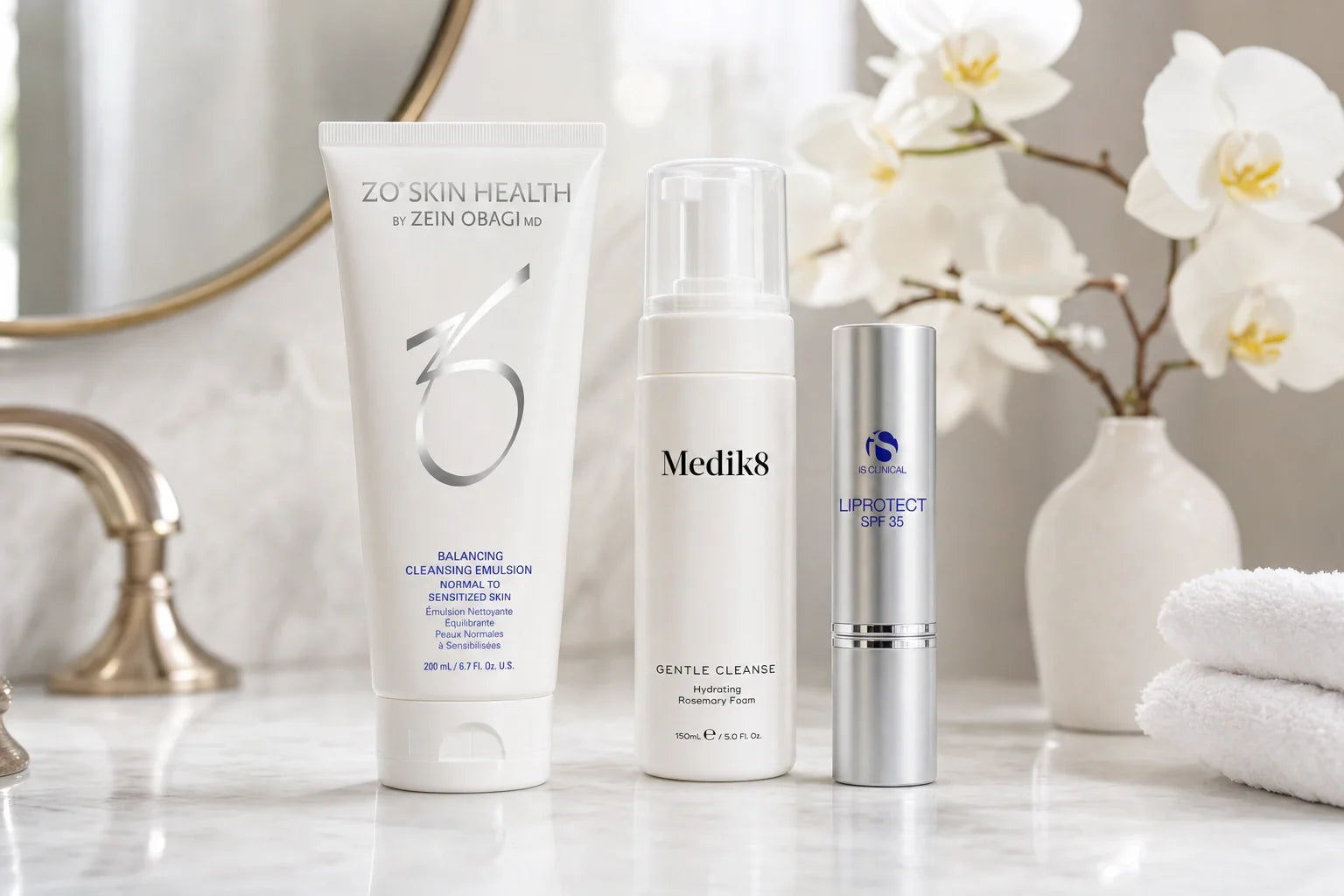
Not all serums are equal. Professional-grade formulations from brands like ZO Skin Health, iS Clinical, and Medik8 use higher concentrations, more stable delivery systems (encapsulation, time-release), and pharmaceutical-quality raw materials. Mass-market versions can be effective but often feature lower active percentages or less sophisticated delivery technologies.
Clients in their early thirties often ask if they're too young for this. The answer: prevention is easier than correction.
The Three Ingredients That Move the Needle
Retinoids: The Gold Standard
Retinol, retinaldehyde, and tretinoin are the most researched actives for wrinkle reduction. They support collagen renewal and improve skin texture by increasing cellular turnover. Li and Schellhorn (2007), Journal of Nutrition, confirmed vitamin A derivatives' essential role in collagen biosynthesis pathways.
Start 2–3 times weekly and build tolerance gradually. Retinoids are contraindicated during pregnancy and breastfeeding, and they cause photosensitivity — daily SPF is mandatory. The gradual introduction isn't optional; retinoids can irritate if you rush.
Peptides: Supporting Firmness
Short chains of amino acids like Matrixyl 3000+ signal skin cells to support firmness. They don't work as quickly as retinoids, but they're gentler and suitable for sensitive skin. Professional formulations use higher peptide concentrations than mass-market versions, which translates to more measurable results over 4–6 weeks of consistent use.
Vitamin C: Antioxidant + Brightness
L-ascorbic acid is a potent antioxidant that helps neutralize free radicals from UV exposure and pollution. Frei et al. (1989), Proceedings of the National Academy of Sciences, identified ascorbic acid as an outstanding antioxidant in human blood plasma. It also supports collagen pathways and may help even skin tone over time.
Stability is the challenge. L-ascorbic acid degrades rapidly when exposed to light and air. Store it in opaque, airtight packaging. If your serum turns brown or yellow, discard it — oxidation has rendered it ineffective. Vitamin C works best in the morning under SPF, where it enhances photoprotection.
Professional brands deliver higher active percentages in stable delivery systems with clinical backing. Mass-market formulas can still work, but you're often paying for lower concentrations and less expensive delivery technologies.
How to Layer an Anti-Wrinkle Serum in Your Routine
Order matters. Water-based serums absorb before oil-based products. Actives go on clean skin, not over moisturizer where they can't penetrate efficiently.
Morning routine: cleanse, apply vitamin C serum, follow with moisturizer, finish with SPF. The antioxidant defense works during daytime when UV and pollution exposure peaks.
Evening routine: cleanse, apply retinol or peptide serum, seal with moisturizer. Skin is in repair mode at night — that's when renewal actives do their best work.
Weekly treatments go on non-retinol nights. An exfoliating mask 1–2 times weekly supports texture, but don't stack it with retinoids on the same evening. Too much exfoliation compromises your barrier.
Wait 30–60 seconds between layers to allow absorption. Pat gently — don't rub vigorously.
In Mediterranean countries like Portugal, Spain, Italy, and France, UV intensity is high even in winter. Daily SPF isn't negotiable when you're using retinoids or vitamin C. Photosensitivity is real, and skipping SPF undoes everything the serum is trying to achieve.
One Complete Anti-Wrinkle Routine (Morning + Evening)
Before adding any new active, patch test on the inner forearm for 48 hours.
Morning (daily):
- Cleanse with a gentle, pH-balanced cleanser
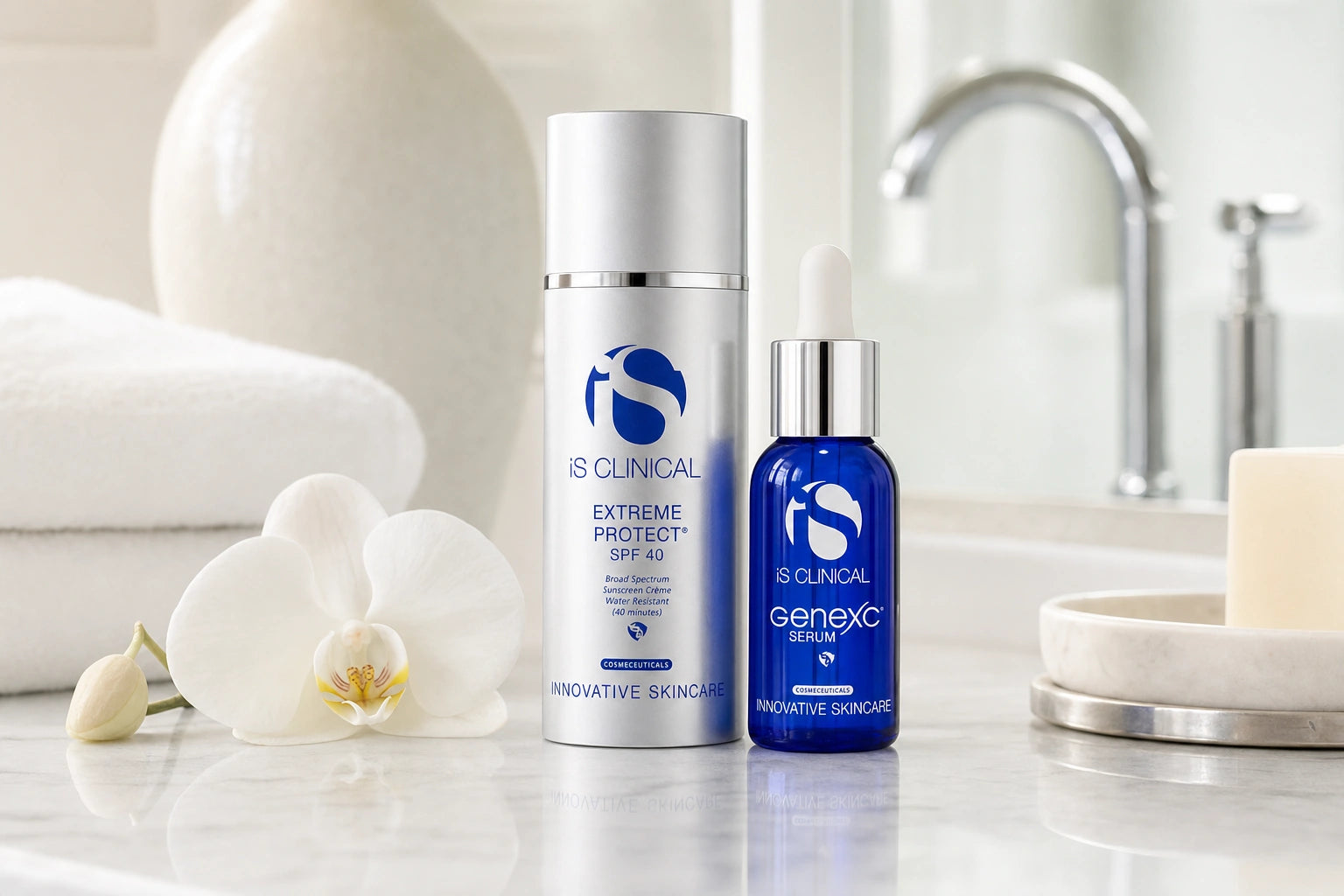
- Apply 2–3 drops of GeneXC Serum to face and neck. This formulation features 20% vitamin C (L-ascorbic acid) combined with Extremozymes® to help protect against environmental stressors while supporting a brighter, more even-looking complexion. Pat gently, don't rub.
- Wait 30–60 seconds for absorption
- Apply moisturizer
- Finish with Extreme Protect SPF 40, which combines broad-spectrum UVA/UVB protection with antioxidant-rich Extremozyme® technology. Vitamin C increases photosensitivity — this step is mandatory, not optional.
Evening (daily):
- Cleanse thoroughly to remove SPF and daily buildup
- Apply peptide serum if you're sensitive to retinoids, or start with a low-concentration retinol 2–3 evenings weekly if your skin tolerates vitamin A derivatives. Build to nightly use over 4–6 weeks.
- Wait 30–60 seconds
- Apply moisturizer to seal in actives and support barrier function overnight
Weekly treatment (1–2 times weekly, on non-retinol evenings):
- Cleanse
- Apply an exfoliating mask for 10–15 minutes to support texture and brightness
- Rinse thoroughly, follow with moisturizer
Total weekly use frequency: GeneXC Serum 7 mornings, Extreme Protect SPF 40 7 mornings, peptide or retinol serum 2–7 evenings depending on tolerance, exfoliating mask 1–2 evenings. Don't stack retinol and exfoliation on the same night — you'll compromise your barrier.
What to Expect (and When)
Vitamin C delivers visible brightness in 7–14 days. You'll notice a more even tone, slightly more luminous surface.
Peptide serums take longer. Expect firmness improvements after 4–6 weeks of consistent daily use. The signaling pathways need time to ramp up collagen support — this isn't instant.
Retinoids show texture improvement in 4–8 weeks, with deeper wrinkle reduction becoming measurable around 12 weeks. The first month can be rough — mild flaking, temporary redness, occasional breakouts as your skin adapts. Push through. The payoff is worth it.
Set realistic expectations. An anti-aging serum routine supports skin renewal; it doesn't erase decades overnight. Consistency matters more than concentration — a moderate serum used daily beats a high-strength formula used sporadically.
Results plateau without daily SPF. UV exposure degrades collagen faster than any serum can support its production. The routine only works if you protect what you're building.
FAQ
What serum is best for wrinkles?
Retinol serums are the most researched for wrinkle reduction, supporting collagen renewal and skin texture. Peptide serums like those with Matrixyl 3000+ help with firmness, while vitamin C serums defend against environmental aging. Professional-grade formulas from ZO, iS Clinical, and Medik8 offer higher concentrations and more stable delivery than mass-market options.
Does serum really work for wrinkles?
Yes, when formulated with research-backed actives like retinol, peptides, or vitamin C at effective concentrations. Professional serums deliver higher percentages in stable systems, so results are measurable in 4–12 weeks depending on the ingredient. Consistency matters more than any single application — daily use over months produces visible improvement in texture and firmness.
Can I use anti-wrinkle serum every day?
Most serums are designed for daily use. Vitamin C and peptide formulas can be applied morning and evening. Retinol serums should start 2–3 times weekly, building to nightly as tolerance develops. Always pair retinol or vitamin C with daily SPF, especially in high-UV regions like Portugal, Spain, Italy, and France where Mediterranean sun intensity is year-round.
At what age should I start using anti-wrinkle serum?
Prevention is easier than correction. Most aestheticians recommend starting in your late twenties or early thirties when collagen production begins to slow. A vitamin C or peptide serum works well for prevention, while retinol becomes more relevant in your mid-thirties onward when deeper lines form. Don't wait until you see visible damage — by then, you're playing catch-up.
The best anti-wrinkle serum is the one you'll use consistently. Start with one targeted active — vitamin C if you want antioxidant defense and brightness, peptides if you're sensitive to retinoids, or a low-concentration retinol if your skin tolerates vitamin A derivatives. Build tolerance gradually, layer correctly, and never skip SPF.
For more on choosing the right retinol strength, see our retinol guide. To understand how vitamin C fits into a complete routine, read our article on vitamin C in skincare. And if you're layering multiple actives, our guide to serum layering explains which products go first and why order matters.