Cart
0
You've booked a chemical peel and you're wondering what your face will actually look like tomorrow, next week, and a month from now. I see this uncertainty in consult almost daily — clients know acid peels improve texture and tone, but the peeling process itself feels like a mystery.
Here's what to expect during acid peel recovery, day by day, with realistic timelines for superficial and medium-depth peels. This isn't textbook theory — it's what I've watched happen on thousands of faces over two decades on a treatment bed.
What You'll See in the Mirror: Immediate Post-Peel (Hours 1-24)
Superficial Peels: Mild Tightness, Possible Redness
Right after a glycolic or lactic acid peel (20–30%), your skin feels tight and may look slightly flushed. That's it. No dramatic peeling yet — the actual flaking starts days 3–5. Clients often expect immediate visible shedding and worry when nothing happens in the first 48 hours. You're on track.
Medium Peels: The "Bronzing" Phase
Medium-depth peels (TCA 25–35%) can cause a darker, bronzed appearance within hours. Your skin looks slightly tanned or ashy — this is normal and temporary. It's the outer damaged layers preparing to detach. Don't panic. By day 3, the visible peeling begins.
What you can do now: gentle cleanse with lukewarm water, apply a rich barrier-supporting moisturizer, and skip all actives. No retinoids, no AHAs, no scrubs.
The Peeling Window: Days 3-7 (When You'll Actually See It Happen)
Light Peels: Subtle Flaking You Can Hide
Glycolic acid peel results and lactic peels show light dust-like flaking that's easily masked with moisturizer. You can work, socialize, and go about your day. Most people don't notice.
Medium Peels: Sheet-Like Peeling Around Mouth and Forehead
Salicylic acid peel results and TCA peels display obvious sheet-like peeling around high-movement areas — mouth, nose, and forehead first. It looks like sunburn aftermath. This is the phase that requires downtime planning. Zoom meetings are doable; in-person presentations are not.
Salicylic peels may trigger a temporary "purge" during this window — congested pores clearing out can look like new breakouts. It passes by day 7–10.
The Golden Rule: Never Pick or Pull
Picking destroys results. You risk scarring, uneven pigmentation, and infection. Let the skin detach on its own schedule — usually complete by day 7 for superficial peels, day 10 for medium-depth formulas.
Your chemical peel results timeline depends entirely on leaving it alone.
Fresh Skin Emerges: Days 7-14 (Pink, Sensitive, and Photosensitive)
What New Skin Looks Like
Peeling mostly completes by day 7–10 for superficial and medium peels. New skin is pink, smooth, and extremely vulnerable to UV. It's also thinner than the skin you started with — your barrier is rebuilding.
The Critical SPF Phase
Daily SPF 50 is mandatory for 4–6 weeks post-peel. Mediterranean countries (Portugal, Spain, Italy, France) have high UV year-round — skipping sunscreen will cause rebound hyperpigmentation darker than what you started with. I've seen this happen. It's preventable.
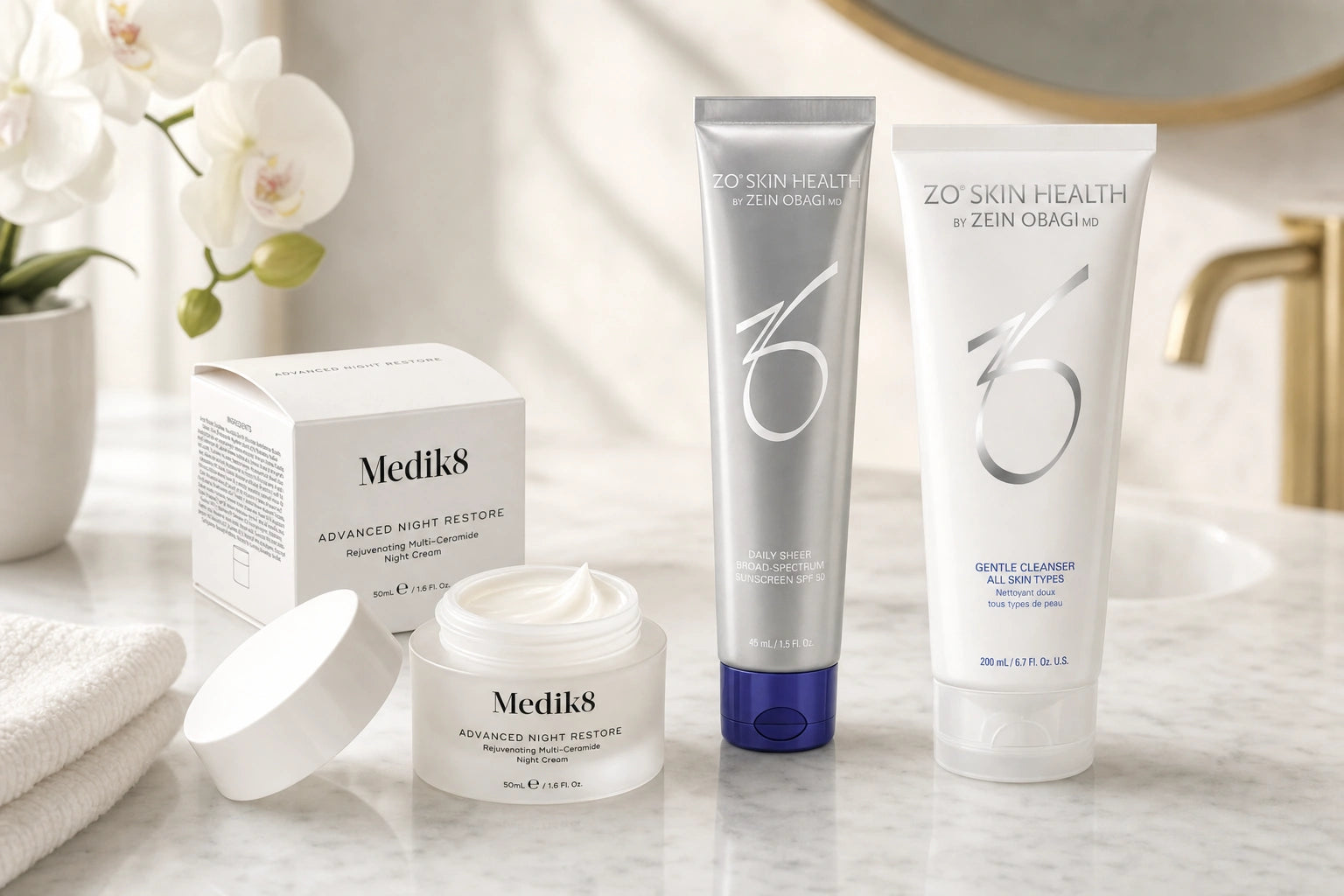
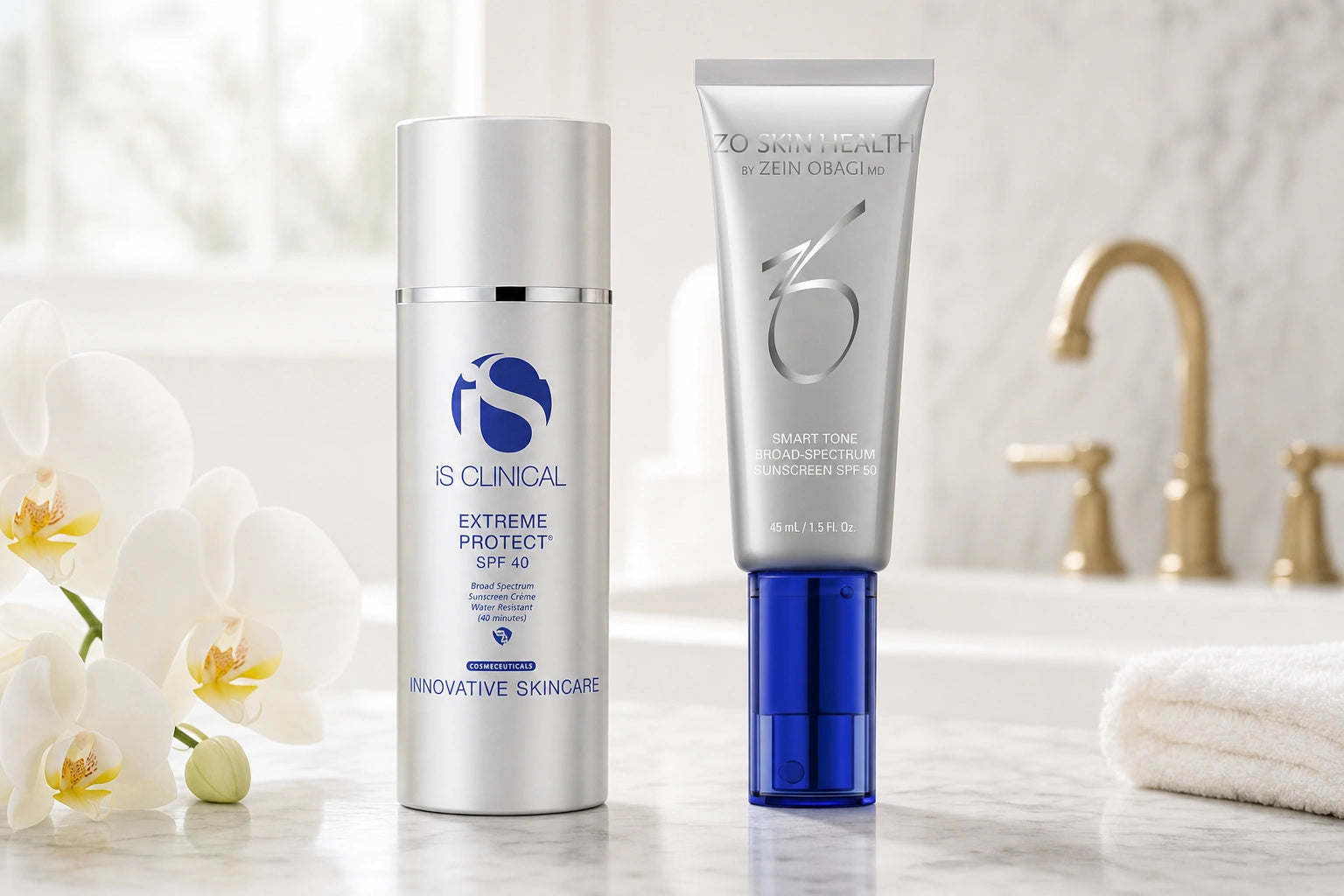
Apply Daily Sheer Broad Spectrum SPF 50 every morning during this phase. The lightweight formula absorbs quickly and provides broad-spectrum UVA/UVB protection without feeling heavy on healing skin.
When to reintroduce actives: wait 7–14 days before retinoids or AHAs. Your aesthetician will guide the timeline based on how your skin heals. Don't rush it.
Full Results Timeline: Weeks 2-12 (When You Actually See the Improvement)
Texture and Radiance: Weeks 2-4
Texture improvement is visible by week 2–3. Surface feels smoother, pores look refined, and your complexion has a subtle glow. This is when clients start getting compliments.
Pigmentation Fading: Weeks 4-8
Hyperpigmentation continues to lighten over 4–8 weeks. Multiple sessions yield the best results for melasma — I typically recommend 4–6 treatments spaced 4–6 weeks apart for stubborn dark patches.
According to Cleveland Clinic guidance on chemical peels, these treatments help reduce fine lines, certain types of acne, mild scarring, sun spots, and uneven skin coloring. Results depend on peel depth and concern severity.
Collagen Remodeling: Months 2-3
Fine lines show gradual softening as collagen remodels beneath the surface. This happens slowly — months 2–3 post-peel. Medium-depth peel recovery extends longer than you'd think, but the payoff is worth it.
One medium peel lasts 3–6 months. Maintenance peels (quarterly for superficial, twice yearly for medium) extend results indefinitely.
Before-After for Common Concerns: What Peels Can (and Can't) Fix
Hyperpigmentation and Melasma
Medium TCA or Jessner's peels show visible lightening of dark patches within 4–6 weeks. Expect 4–6 sessions spaced monthly for melasma — it's stubborn and responds best to repeated controlled injury.
Acne Scars and Post-Inflammatory Marks
Salicylic peels reduce breakouts and clear pores within 1–2 weeks. Ongoing quarterly treatments prevent recurrence. For post-inflammatory hyperpigmentation, glycolic peels fade marks over multiple sessions — typically 4–6 treatments.
Fine Lines and Texture
Superficial peels improve texture subtly. Medium peels show moderate fine-line smoothing after full healing (4–6 weeks). Deep static wrinkles need deeper interventions — peels alone won't eliminate them.
What peels cannot do: active cystic acne (treat the acne first, peel later), rosacea flares (contraindicated), or deep atrophic scars (consider microneedling or laser instead).
A Safe Post-Peel Routine (The First Two Weeks)
Before adding any new active, patch test on the inner forearm for 48 hours.
This routine supports barrier function while new skin rebuilds. Resist the urge to "speed things up" with acids or retinoids too soon — you'll just irritate compromised skin.
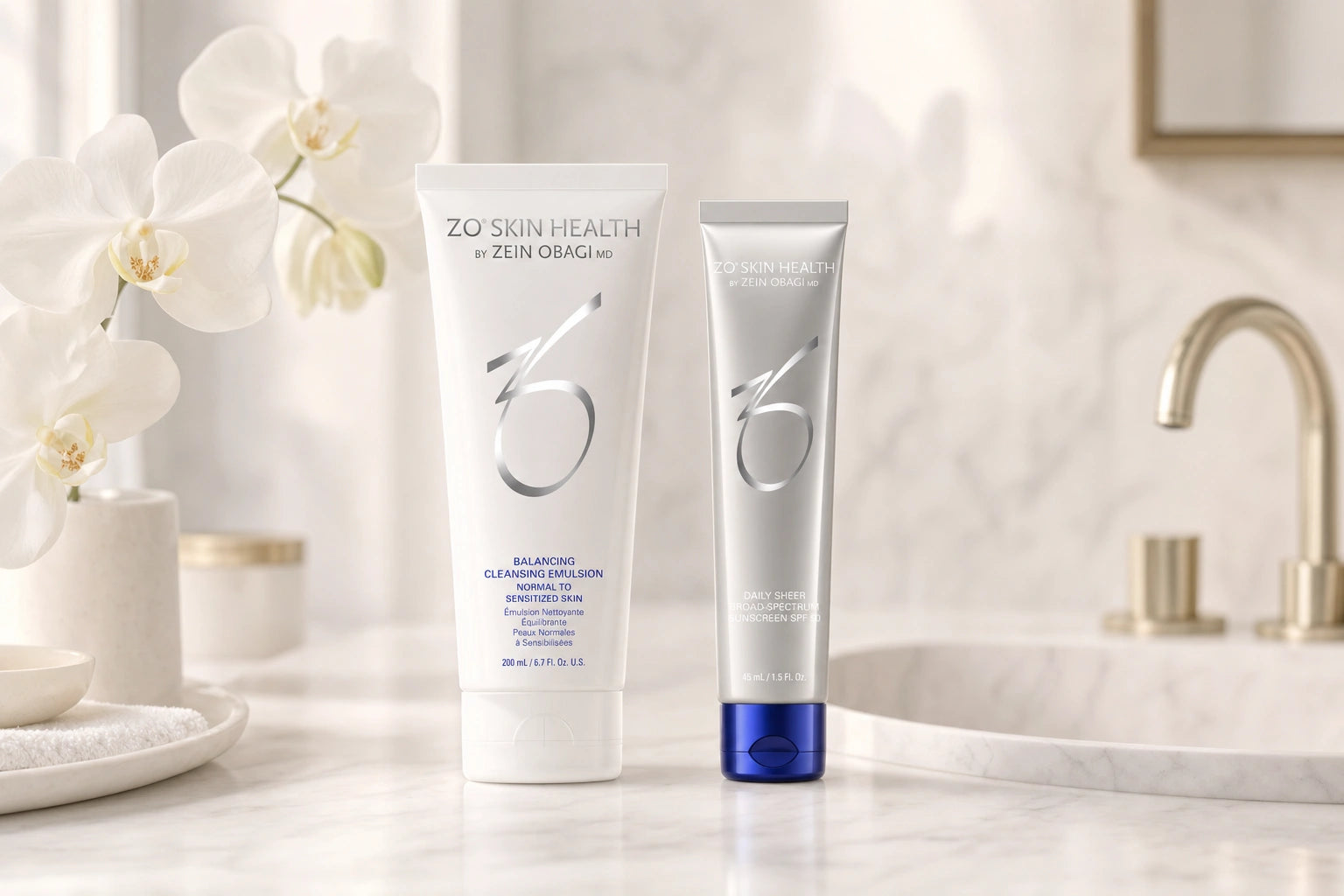
- Morning cleanse: Rinse with lukewarm water or use Balancing Cleansing Emulsion daily. This gel-to-milk formula is fragrance-free, sulfate-free, and won't strip your rebuilding barrier.
- Morning moisturizer: Apply Hydrating Crème daily to soothe and replenish.
- Morning SPF: Finish with Daily Sheer Broad Spectrum SPF 50 daily. Non-negotiable.
- Evening cleanse: Balancing Cleansing Emulsion daily.
- Evening moisturizer: Hydrating Crème daily. No actives until skin fully heals.
Around day 10–14, once peeling stops, you can cautiously reintroduce gentle exfoliation or low-strength retinol. Always check with your aesthetician first.
For more on reintroducing actives safely, see our guide to retinol before-after timelines and professional and at-home peel options.
Safety, Contraindications, and When to Stop
Who Should Not Get a Chemical Peel
Contraindications include active infection (herpes, bacterial, fungal), pregnancy and breastfeeding (especially with deeper peels), recent isotretinoin use (wait 6–12 months), open wounds, active dermatitis, and unrealistic expectations about downtime.
Photosensitivity warning: all chemical peels increase sun sensitivity. Daily SPF 50 is mandatory for 4–6 weeks minimum. This is why SPF is non-negotiable post-procedure — new skin has zero defense against UV damage.
Warning Signs During Recovery
Stop and consult if you see spreading redness, oozing, severe swelling, or pain beyond mild tightness. These signal infection or over-peeling. Professional peels (performed by dermatologists or licensed aestheticians) use controlled application and higher concentrations for predictable results. At-home peels (typically 10–15% glycolic or lactic) offer subtle exfoliation with minimal peeling and lower risk.
For additional safety guidance, consult MedlinePlus skin conditions overview.